Maintenance and repairs
Owning a car in the United States, the United Kingdom, Canada, or Australia comes with a simple reality: vehicles need regular care to stay safe and dependable. Yet many drivers feel lost when faced with dashboard warning lights, service schedules, or a mechanic quoting a repair they don’t fully understand. This pillar page is designed to demystify maintenance and repairs, explaining what really matters, why it matters, and how to make smart decisions without being taken for a ride.
Whether you drive a daily commuter, a family SUV, or an older used car, the principles below apply across the board. Think of your vehicle as a system of interconnected parts: engine, brakes, tires, suspension, fluids, and electronics. When one piece is neglected, others often follow. Good maintenance is not about being a gearhead; it’s about protecting your safety, your wallet, and your time.
Why Preventive Maintenance Matters
The single most effective way to reduce repair costs is simple: prevent breakdowns before they happen. Preventive maintenance follows the manufacturer’s recommended service intervals, which you’ll find in your owner’s manual. These schedules are not marketing tools; they are engineering-based timelines developed to keep components within safe operating limits.
Consider an analogy: skipping an oil change is like never changing the water in a fish tank. The engine keeps running, but contamination builds up silently until damage appears. A routine oil service costing a modest amount today can prevent a premature engine replacement costing thousands of dollars later.
- Safety: brakes, tires, and steering components directly affect your ability to avoid accidents.
- Reliability: well-maintained vehicles break down far less often, reducing towing costs and missed commitments.
- Resale value: a documented service history meaningfully increases what buyers are willing to pay.
- Fuel economy: clean filters, correct tire pressure, and fresh oil improve efficiency, saving money at the pump.
The Core Maintenance Tasks Every Driver Should Know
You don’t need to perform these jobs yourself, but you should understand what they are and when they’re due. Most routine maintenance falls into a handful of categories.
Fluids
Your vehicle relies on several fluids, each with a specific job. Engine oil lubricates moving parts, coolant regulates temperature, brake fluid transmits pedal pressure, transmission fluid enables smooth gear changes, and power steering fluid (on older vehicles) assists steering effort. Low or degraded fluids are among the most common causes of avoidable damage.
Filters
Oil filters, air filters, cabin filters, and fuel filters all have finite lifespans. A clogged engine air filter restricts airflow and hurts performance, while a saturated cabin filter reduces air quality inside the car.
Brakes
Brake pads and rotors wear with every stop. Squealing, grinding, a soft pedal, or longer stopping distances are signs that inspection is overdue. Brake work should never be postponed; it is the most safety-critical system on the vehicle.
Tires
Tires are the only contact between your car and the road. Regular checks should include:
- Tread depth (the legal minimum is 1.6 mm in the UK and 2/32 of an inch in most US states, but replacing earlier improves wet grip).
- Air pressure, checked monthly and before long trips.
- Uneven wear patterns, which often point to alignment or suspension issues.
- Rotation intervals, typically every service or every few thousand miles, to equalize wear.
Battery and Electricals
Car batteries typically last three to five years, depending on climate and usage patterns. Slow cranking on cold mornings is an early warning. Modern vehicles also depend heavily on electronics, so persistent warning lights deserve professional diagnosis rather than guesswork.
Understanding Warning Lights and Symptoms
Dashboard warning lights are your car’s way of communicating. The most misunderstood is the check engine light, which can indicate anything from a loose fuel cap to a serious misfire. A practical rule of thumb:
- If the light is solid and the car drives normally, book a diagnosis within a few days.
- If the light is flashing, or accompanied by unusual noises, smoke, or loss of power, stop driving and call for assistance.
- Never ignore red warning lights (oil pressure, brake, temperature); they signal potential immediate damage.
Beyond warning lights, trust your senses. A new vibration, a burnt smell, fluid spots under the car, or changes in how the steering feels are all early clues. Catching problems at the symptom stage almost always costs less than catching them at the breakdown stage.
DIY Versus Professional Repairs
Some tasks are genuinely beginner-friendly and can save money when done carefully at home. Others require lifts, torque specifications, or diagnostic equipment that make professional service the sensible choice.
Reasonable DIY tasks
- Checking and topping up fluids.
- Checking and adjusting tire pressure.
- Replacing wiper blades and light bulbs.
- Swapping an air filter or cabin filter.
- Jump-starting a battery safely.
Best left to professionals
- Brake system work beyond pad replacement, especially anything touching brake hydraulics.
- Timing belt or timing chain replacement.
- Transmission, cooling system, and air conditioning repairs.
- Anything involving airbags, high-voltage hybrid or EV systems, or structural components.
A useful mindset: DIY is great for inspection and simple replacements; professionals are the right call when safety, specialized tools, or warranty terms are involved. On newer vehicles, incorrect DIY work can also affect warranty coverage, so check your documentation first.
How to Choose a Trustworthy Repair Shop
Finding a mechanic you trust is one of the most valuable things a car owner can do. In the US, look for ASE-certified technicians; in the UK, garages affiliated with the Motor Ombudsman or RAC/AA-approved networks offer extra accountability. Wherever you live, the same fundamentals apply.
- Read recent reviews, but weigh detailed accounts over star counts alone.
- Ask for written estimates before work begins, itemized by parts and labor.
- Request that worn parts be shown to you or returned after replacement.
- Prefer shops that explain the problem clearly rather than pressuring you into same-day decisions.
- Compare quotes for major repairs; a large gap between estimates is worth investigating.
Imagine your car develops a rattling noise. A good shop diagnoses it, explains that a heat shield is loose, quotes a small labor charge, and fixes it in an hour. A poor shop leads with a long list of recommended services. You are entitled to ask why each recommendation matters now, and a confident, transparent shop will welcome the question.
Understanding Repair Costs and Parts Choices
Repair bills generally consist of two elements: parts and labor. Labor rates vary widely by region and shop type, while parts come in several tiers:
- OEM parts (original equipment manufacturer) match what your car was built with and carry brand backing.
- Aftermarket parts are often cheaper and can match or exceed OEM quality, though quality varies by brand.
- Used or refurbished parts can suit older vehicles, provided they come from reputable suppliers.
For critical components — brakes, steering, airbags — quality should outweigh price. For cosmetic or non-critical items, reputable aftermarket parts are frequently the better value. Ask your shop which brand they intend to fit and why; a professional answer is a good sign.
Keeping Records and Planning Ahead
A simple logbook or app-based record of every service, repair, and receipt pays dividends. It helps technicians diagnose recurring issues, supports warranty claims, and reassures future buyers. Many modern vehicles also track service history digitally through dealership networks, but keeping your own copies is always wise.
Budgeting is equally important. A practical habit is setting aside a small monthly amount for vehicle care. Over a year, this fund comfortably absorbs new tires, a battery, or an unexpected repair without turning into a financial shock. Cars are predictable in one respect: something will eventually need attention. Planning for it removes the stress.
Where to Go From Here
This page is the hub of our Maintenance and Repairs category. From here, you can explore deeper guides on each system: how to read your service schedule, what an MOT or state safety inspection involves, how brake components work, how to interpret diagnostic trouble codes, and how to handle common repairs on popular makes and models. Each article follows the same philosophy — clear explanations, honest cost expectations, and advice you can actually use.
The bottom line is encouraging: you don’t need mechanical expertise to be a smart car owner. You need to know the key systems, follow a sensible maintenance rhythm, listen to what your car tells you, and build a relationship with a repair shop you trust. Do those four things consistently, and your vehicle will reward you with years of safer, cheaper, more predictable motoring.
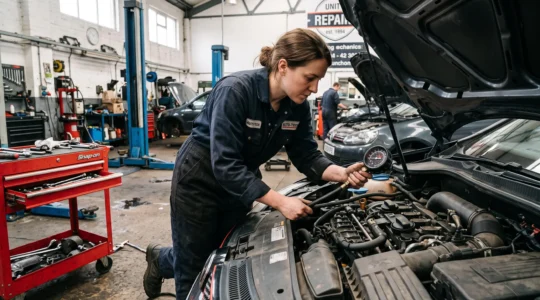
How to Spot Fuel System Problems Before They Cause a Breakdown
A car that takes longer to start, hesitates during acceleration or occasionally stalls may be showing the first signs of a fuel delivery problem. These symptoms often appear before the…
Lire la suite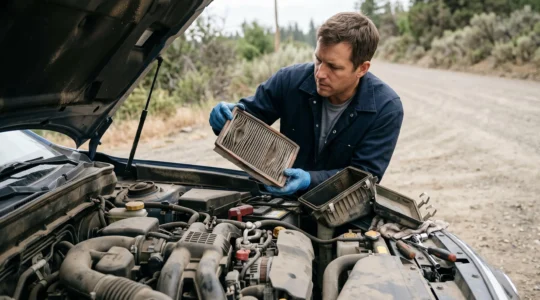
How to Keep Your Car’s Air Intake Working Properly in Dusty Conditions
A car that regularly encounters dusty roads, construction debris or heavy traffic needs an air intake system that delivers clean air without excessive restriction. Dust accumulation, deteriorating rubber connections and…
Lire la suite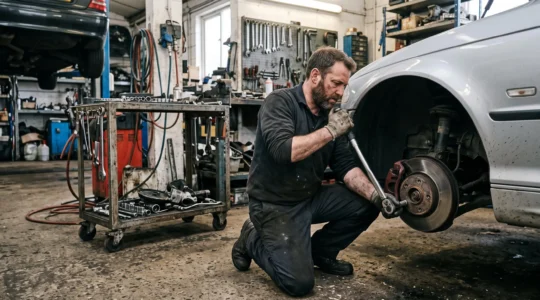
How to Extend Car Component Durability Without Replacing Parts Too Early
Replacing a worn car component should restore reliable operation, not start another cycle of unexpected repairs. Yet even a correctly specified replacement can fail early if installation conditions, neighbouring components…
Lire la suiteCreate a customized maintenance plan for your vehicle
Maintaining your vehicle is crucial for ensuring its longevity, performance, and safety. A well-designed maintenance plan can save you time, money, and potential headaches down the road. By tailoring your…
Lire la suiteThe best diagnostic tools for identifying car issues at home
As vehicles become increasingly complex, the ability to diagnose automotive issues accurately has become essential for both professional mechanics and enthusiastic DIYers. Modern diagnostic tools empower car owners to identify…
Lire la suiteDIY car maintenance tips: save time and money
Maintaining your vehicle doesn’t have to be a daunting or expensive task. With the right knowledge and tools, you can perform many essential maintenance procedures at home, saving both time…
Lire la suite
Essential car checks you should perform every month
Regular vehicle maintenance is crucial for ensuring the longevity, safety, and performance of your car. By performing essential checks on a monthly basis, you can catch potential issues early, prevent…
Lire la suite
How skipping your car’s maintenance schedule can lead to costly repairs
Regular car maintenance is crucial for keeping your vehicle running smoothly and efficiently. However, many car owners underestimate the importance of following their vehicle’s maintenance schedule, often leading to severe…
Lire la suite